The Cave Diver Panic and Stress
The cave shrinks your air. Your job is to shrink your mistakes first.
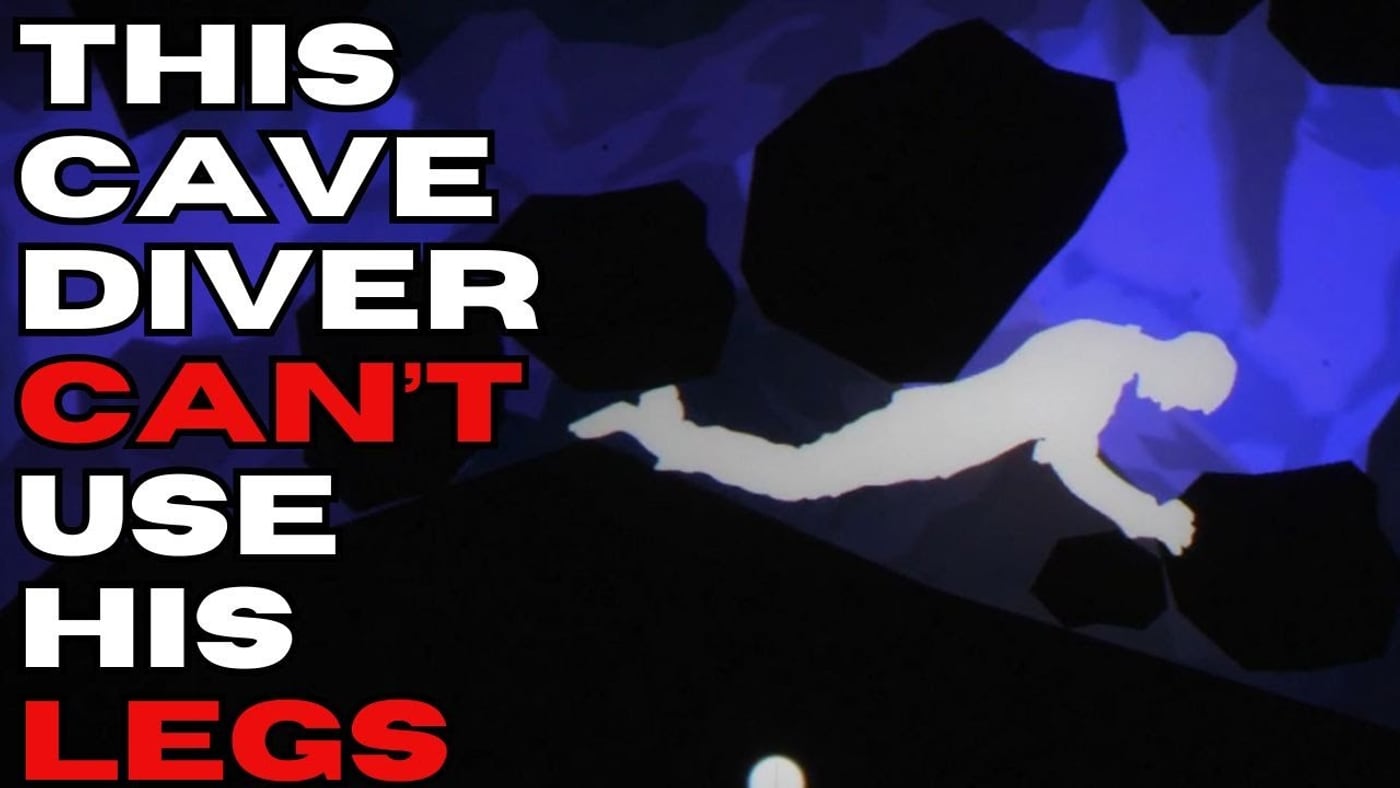
Panic and Stress covers the emotional physics of The Cave Diver—why players report loving the panic even while hating the wedge, and how claustrophobia is a designed ingredient rather than an accident. Ovsko’s hand-only crawl puts your camera inside rock. Getting stuck means dying alone, entombed. Solo play means no voice on the radio talking you through a bad angle. This page turns dread into recoverable habits linked across How to Avoid Getting Stuck, Death and Bodies, and Movement Mastery.
Watch the embedded danger-focused Demo clip for pacing, then practice the opposite of its thrash moments: freeze, breathe, reverse or accept.
Why panic feels “good” to some players
Community reports often praise the panic loop: tension spikes, mistakes happen, bodies remain, signs persist, knowledge compounds. That loop works when panic is information—shoulders say abort, hands say release—not when panic becomes button mashing that deepens a wedge.
The game sells rage-game difficulty plus psychological horror. Panic is the horror half arriving through posture, not only through audio stingers. If you enjoy difficult physics toys, panic can feel like a sport. If you need calm exploration, recognize that mismatch early via Who Should Play and the Demo.
Claustrophobia as design, not bug
Tight tunnels, slow hand aiming, and lethal stuckness are the point. The cave is no place for the living, according to official copy. Your nervous system responds accordingly: elevated heart rate, narrowed attention, urge to yank both grips.
Design literacy helps. When you know claustrophobia is intentional, you can choose sessions, breaks, and abort rules instead of treating fear as personal failure. If fear crosses into harm—dissociation, panic attacks, real trauma triggers—stop. Skill guides cannot override safety.
The stuck spiral
The stuck spiral usually runs: enter optimistically → ring tighter than expected → attempt reverse late → thrash → wedged elbows → death → rage re-entry.
Break the spiral at any earlier step. Best break: reverse-test before commit. Good break: abort at first shoulder spike. Acceptable break: freeze with one stable anchor. Worst continuation: thrash because the flower myth or a trailer timestamp demands progress.
Death and Bodies reframes the end of the spiral as cartography if markers were honest. Without markers, the spiral is noise.
Calm recovery habits
Freeze first: stable grip beats motion. Motion without plan digs rock.
Name the job: scout, label, journal, push, audit—from Route Planning. Panic fades when the body has a sentence-long mission.
Exhale on release: many wedges are aim problems. Mouse overshoot and controller grip-hold show up under stress. Revisit Keyboard & Mouse or Controller after clustered panic deaths.
Session caps: ninety minutes with a written lesson beats four hours of identical tombs. Fatigue widens tunnels in your eyes.
Desk reset: open the Controls Cheatsheet or Progress Checklist between bodies. Moving panic into a checkbox converts adrenaline into process.
Movement mastery under fear
Movement Mastery is panic prevention stored in muscle memory. Low aim speed, deliberate one-hand anchors, and practiced reverse-outs are boring until they save you in a slope. Drill in wide pockets before you owe those skills in a pinch.
Panic makes players skip drills because drills feel childish. Childish drills are how adults survive folklore horror without uninstalling.
Signs as anxiety tools
Readable signs reduce future panic by answering “have I been here before?” before geometry argues. Mark lure forks honestly using Sign Legend language. Mark journal pockets when text must wait. Mark safe spine confirmations so retreat paths feel permitted, not shameful.
Anxiety hates ambiguity. Signs are ambiguity reduction you hammer into stone.
Journals and panic
Reading while sliding creates preventable tombs. Journals reward stable holds. If lore spikes dread, schedule a calmer body to read—see Walkthrough Journals. Lore hunger is a panic multiplier when paired with unmarked forks.
Hardware and comfort
Stable Windows performance on Vulkan with 8 GB RAM and GT 1030-class graphics keeps camera motion trustworthy. Stutter feels like betrayal and spikes stress. See System Requirements. Adjust FOV or motion settings if the platform allows; comfort tweaks are valid.
After a panic death: script
- Do not immediate re-enter the same wedge hot.
- State what question the body was answering.
- Check whether entrance marks were true.
- Pick the next body’s job—often label or audit, not push.
- Repair legend conflicts.
- Only then crawl.
Pair with Dead Ends when the death was a mapping event, not an input fluke.
Demo as panic gym
The live Demo before the August 12, 2026 full release is the lower-stakes place to learn your panic signature. Some players panic at camera proximity; some at slow reverse; some at remains. Learn yours cheaply. Graduate to Early Cave Routes when panic still visits but no longer owns your legend.
Cross-links
Avoidance: How to Avoid Getting Stuck, Physics Puzzles, Tips and Tricks. Systems: Mechanics Hub, Signs, Lore. Practice: Demo Walkthrough, Guides Hub, Controls Hub.
Closing
Panic in The Cave Diver is a feature players celebrate when it teaches respect for rock. It becomes a problem when it steals reverse-tests and sign honesty. Train calm like a mechanic: freeze, mark, abort, breathe, die usefully. The cave will still try to crush your air—your habits decide whether that pressure becomes skill or a stack of identical graves.
Frequently Asked Questions
Quick answers to common The Cave Diver questions.
Why do players say they love the panic mechanics?
Tight spaces and lethal stuckness create intense tension that pairs with persistent signs and learnable movement—panic becomes part of the sport.
What should I do first when panic hits in a squeeze?
Freeze with a stable anchor, exhale, and attempt a controlled reverse. Thrashing usually worsens wedges.
Is claustrophobia intentional in The Cave Diver?
Yes. Hand-only crawling, close cameras, and solo stuck-death are core to the horror identity.
How do signs reduce panic?
They answer whether a fork was explored, lured, or confirmed safe, reducing ambiguous re-entry fear.
When should I stop playing for safety?
If fear feels harmful rather than challenging—panic attacks, dissociation, or trauma triggers—end the session.