The Cave Diver Branching Paths
Learn the shapes that lure divers into tombs that look like progress.
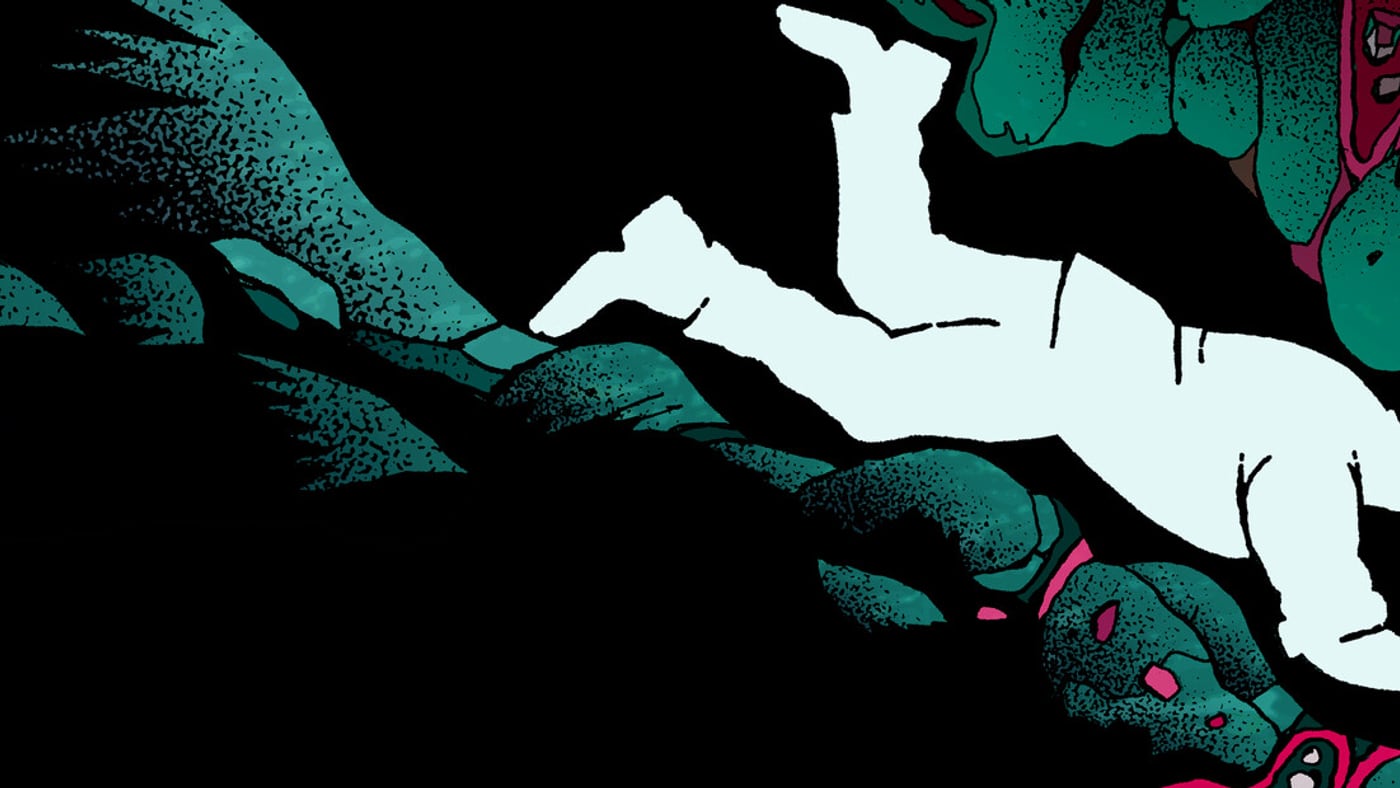
Branching Paths is the pattern book for The Cave Diver’s junctions. The game sells a labyrinth of crushing stones and constricting passageways where detours lure you into spaces that feel impossible to reverse. If Sign Legend is your dictionary, this page is the grammar of forks.
Use it with the Map Hub, Dead Ends, and Early Cave Routes. Movement confidence still starts in Controls and Guides; geometry literacy cannot rescue thrashing hands.
The lure pattern
Many dangerous branches advertise speed. They drop faster, look narrower in a “secret” way, or sit at a dramatic angle that feels like story progress toward the flower. Official copy warns that turning back can seem physically impossible. Translate that into a player rule: fast depth is a suspicion, not a virtue.
When a path lures, mark Unknown or Active Scout at the mouth using your legend, then scout only to the first commitment point. Route Planning should schedule lure tests deliberately instead of letting them ambush a push body.
The false widening
A pocket opens. Relief hits. Players accelerate. The next meters clamp harder than the entrance. False widenings are emotional traps as much as geometric ones. Practice stopping in the wide pocket, placing or confirming a sign, and only then choosing the next squeeze. The Controls Cheatsheet helps you remember that stopping is a skill.
The one-way posture trap
Some corridors allow an entry posture that your shoulders and grips cannot reconstruct backward. This is the pure physics-horror fork. If you cannot explain your reverse plan in one sentence, you are not looking at a normal hallway; you are looking at a candidate tomb. Read Death and Bodies so you accept the cost structure before you pay it blindly.
The loop waste
Not every disappointment is a hard dead end. Some branches reconnect to known spine without new journals or new depth. Mark them as waste so you stop replaying them during rage. Loop waste eats the three-to-five-hour campaign budget quietly. The Progress Checklist can include “cleared loop distractions” as a region milestone.
The journal fork
Occasionally a branch exists to deliver remnant text more than traversal value. That is still useful. Label Journal Nearby when true, read in a stable hold, then decide if the branch earns Promising or Soft/Hard dead-end status. Journals covers interpretation; this page only asks you not to confuse lore space with route spine.
Classification workflow at a live junction
- Stop and secure one hand.
- Name the temptation in plain words.
- Place or refresh the entrance mark from Sign Legend.
- Scout to the first irreversible-looking shape.
- Either retreat and upgrade the mark, or accept a prepared death.
- On the next body, verify whether the classification still feels true.
The Sign Planner can help pick an approach when you freeze between Soft and Hard language. Freezing without marking is how Demo players and launch-day players alike recreate identical funerals.
Linking patterns to walkthrough roles
Demo sessions in the Demo Walkthrough should intentionally include at least one classified fork even if depth is low. Early cave play should expand your pattern library. Dead-end study converts patterns into borders. Route planning sequences which pattern to test next. Keep Signs open until placement is automatic under stress.
Horror context without losing the chart
The branching cave supports the folklore nightmare: a family chasing a curing flower, generations failing, something ancient possibly stirring below. Horror wants you to rush. Cartography wants you to pause. The winning player does both across different bodies—push bodies and audit bodies—not in the same panicked minute.
For purchase and length expectations around the live Demo and the August 12, 2026 release, use Demo vs Full and the Review Hub. For hardware readiness before long mapping nights, see System Requirements.
Field examples phrased as questions
Does this fork only look special because it is darker? Does the first hold after the mouth force both hands into a dead plane? Is there a comfort pocket that arrives too early? Have I died near here before without a clear mark? If yes to several, you are in branching-path curriculum, not in a simple hallway.
Community language
When sharing advice, prefer pattern names plus sign meanings over vague spoilers. “Hazard lure with hard dead-end entrance mark” is actionable. “Go left until it feels bad” is not. Point friends to the Map Hub, Walkthrough Hub, and Tools so they can rebuild the method, not only your conclusion.
Closing
Branching paths are the cave’s persuasion engine. They persuade with angle, speed, and hope. Your counter-persuasion is classification, marking, and role-based bodies. Master that, and the labyrinth becomes a charted argument you can win one junction at a time on the way toward the flower.
Frequently Asked Questions
Quick answers to common The Cave Diver questions.
What is the most dangerous branching pattern?
One-way posture traps that are easy to enter and nearly impossible to reverse. Treat them as high-cost scouts with mandatory entrance marks.
Are reconnecting loops worth exploring?
Once, with clear marks. After you confirm loop waste, label them so they stop stealing push-session time.
How do I practice branching safely?
Use Demo and early-cave scout bodies that answer one fork question each, then audit marks before any deep push.
Should lore urgency change how I take forks?
It may change motivation, not method. Keep entrance marks and reverse plans even when the flower story pulls hard.