The Cave Diver Map Hub
The cave has no polite cartographer—only the signs you hammer into stone.
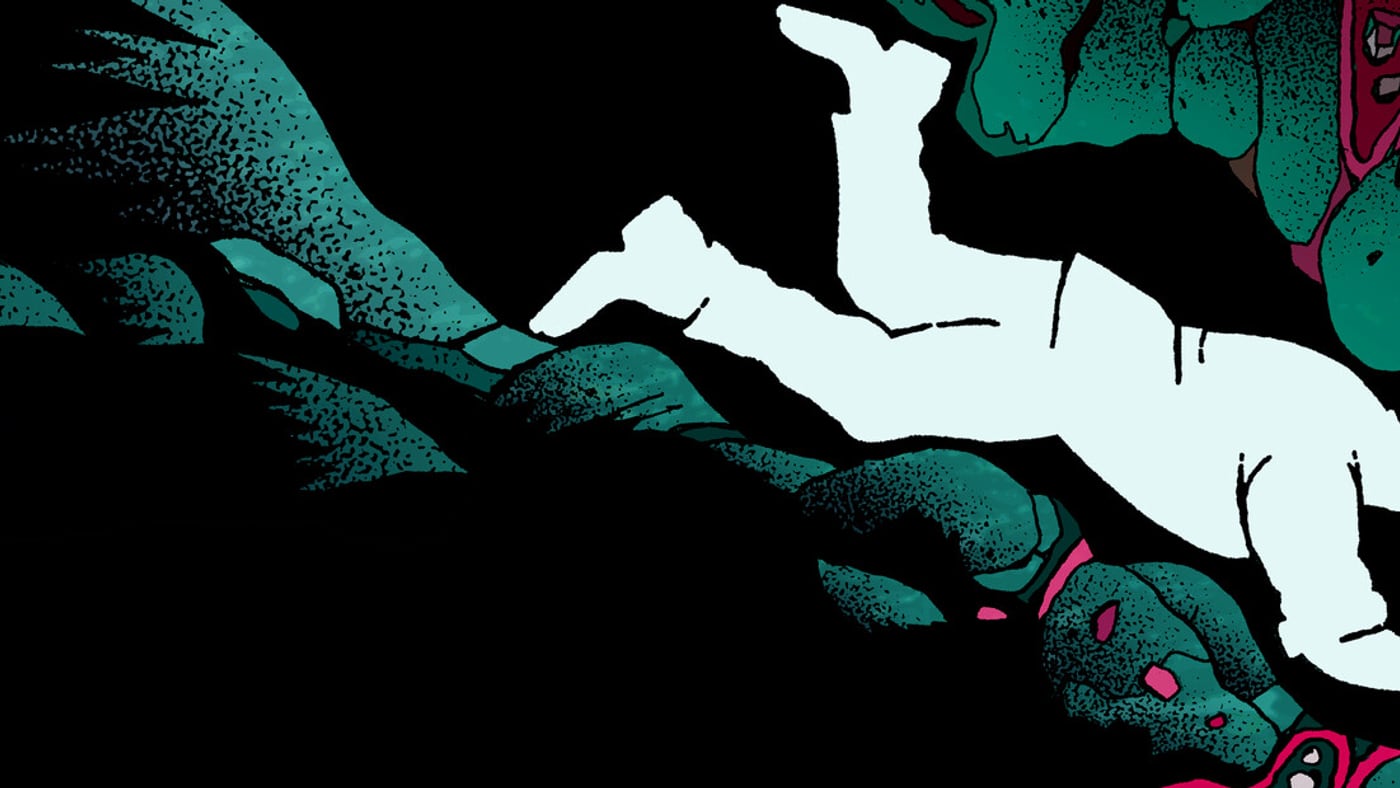
The Map Hub is where The Cave Diver players learn to think in persistent marks instead of fog-of-war minimaps. Ovsko’s physics-horror cave does not hand you a clean overlay of explored rooms. It hands you branching rock, bodies that die when stuck, and crude signs that remain for the next diver. Mapping is a player skill, not a menu tab.
Use this hub with the Walkthrough Hub when you need route decisions, and with Mechanics when you need the systems explanation behind signs, journals, and corpses. If your hands still betray you in tight rock, stabilize through Controls and Guides before trusting any spatial theory.
Why mapping works differently here
In most adventure games, death rewinds knowledge. In The Cave Diver, death is often how knowledge becomes permanent—provided you placed signs before the tomb closed. Official descriptions emphasize hammering marks into stone so the cave grows familiar with every new body. That familiarity is your map layer.
The full descent is expected around three to five hours once you can learn. Mapping discipline is what keeps that clock honest. Without it, Demo hours and launch-day hours alike dissolve into repeated unmarked forks. The Demo is live now; the Steam release is planned for August 12, 2026. Both reward the same cartography habits.
Core pages in this hub
Start with Sign Legend to define a readable personal language. Featured for a reason: inconsistent symbols are worse than sparse symbols. Then study Branching Paths for the geometry patterns that create false shortcuts and irreversible squeezes. Together they turn panic corridors into labeled territory.
While you read, keep the interactive Sign Planner nearby. The planner helps you choose a marker approach for common situations; the legend page defines what those marks mean in your world. The Progress Checklist can track whether a region is “labeled,” not merely “visited.”
How to build a working mental map
Anchor on decision points, not every meter of crawl. A useful map answers: Where can I still reverse? Which entrances are hard no? Which branches are soft maybe? Which pockets contain journals? Which graves are already paid for? Write those answers into signs and into a simple side note if you need redundancy.
Cross-check dead-end honesty with Dead Ends and sequencing with Route Planning. Mapping without walkthrough discipline becomes pretty graffiti. Walkthrough without mapping becomes amnesia with extra steps.
Journals and lore as map annotations
Family stories about a flower that might cure paraplegia pull you downward, but journals are local annotations on the living map. They tell you how previous explorers failed, which is map data dressed as fiction. Use Journals to interpret them without treating every line as a GPS arrow. When a journal changes your risk read on a fork, update the entrance sign the same day.
Remains as landmarks
Previous bodies are grim landmarks. Death and Bodies covers the mechanic and the mood. On the map layer, a corpse near an unlabeled junction is a screaming request for a sign. Do not treat remains as spectacle only; treat them as pins.
Recommended map workflow
- Define legend severity in Sign Legend.
- Practice placement in the Demo Walkthrough.
- Classify fork types with Branching Paths.
- Audit ambiguity on a dedicated body.
- Push only along a spine your signs can explain cold.
Support tools live under Tools, including the Controls Cheatsheet for moments when spatial focus collapses into movement panic. Expectation pages under Review help you understand why the game withholds traditional comforts.
What this hub will not do
This hub will not pretend to ship a complete spoiler cartograph of every rock for every patch. The Cave Diver’s mapping fantasy is player-authored. We give language, patterns, and process. Your signs are the actual map. Keep them honest as you crawl toward whatever waits with the flower below.
When you are ready to apply the map under pressure, return to Early Cave Routes and keep Signs open until placement is automatic. The stone remembers what you bother to write.
Frequently Asked Questions
Quick answers to common The Cave Diver questions.
Is there an official in-game world map?
Gameplay is built around player-placed signs and memory across bodies, not a conventional always-on minimap. Your marks are the map.
Which map page should I read first?
Start with Sign Legend so your symbols stay consistent, then Branching Paths for junction patterns.
How do map pages differ from walkthrough pages?
Map pages define spatial language and patterns. Walkthrough pages apply that language to Demo, early cave, dead ends, and campaigns.
Can tools replace signing in the cave?
No. Checklists and planners support your process, but only in-world signs persist for the next body inside the game.